The application note outlines how the eego™ system supports sleep research by capturing high-quality EEG alongside other physiological signals like EOG, ECG, EMG, and respiration. It summarizes typical sleep-lab setups and key technical considerations such as cap choice, channel density, and battery needs. A user testimonial highlights the system’s reliability, flexibility, and strong signal quality in real research settings.
Aim
The objective of this application note is to inform the reader of the relevance of measuring EEG for sleep applications, how the eego™system can be integrated into a variety of different sleep lab architectures, and recommendations of best practices and technical considerations for the various components of the system.
Background
Sleep is a vital biological process that facilitates the maintenance and creation of neuronal pathways in the brain enabling learning, memory formation, concentration, and responsiveness. [1]. The need to understand the mechanisms and effects of sleep for humans introduces the field of sleep research to investigate how sleep supports cognitive function, the dynamic changes in brain activity during transition from wakefulness to sleep, the influence of sleep on emotional regulation and memory, et cetera.
Quantifying the changes in the underlying physiological processes during sleep for diagnosis and prognosis is critical, which is why sleep studies incorporate several physiological measurements, including but not limited to eye movements (EOG), heart rate (ECG/EKG), muscle activation (EMG), breathing pattern (respiration), blood oxygen level/saturation (spO2), and EEG activity [2].
System Setup
The EEG system setup primarily comprises of the following components:
- EEG headset, placed on the subject’s scalp
- The EEG amplifier, to amplify the low amplitude and low frequency signals during REM and NREM sleep
- The recording PC, to monitor/record and process/classify the underlying EEG signal in real time
- Additional active and passive sensors (such as EOG, ECG, EMG, respiration and pulse oximetry)
The physical setups of sleep labs and clinics may vary in terms of equipment used, spatial organization due to the need to have multiple recording and/or review stations. However, we mainly see three typical sleep architectures as illustrated in the images/schematics to follow.
Single Subject Setup (Clinical)
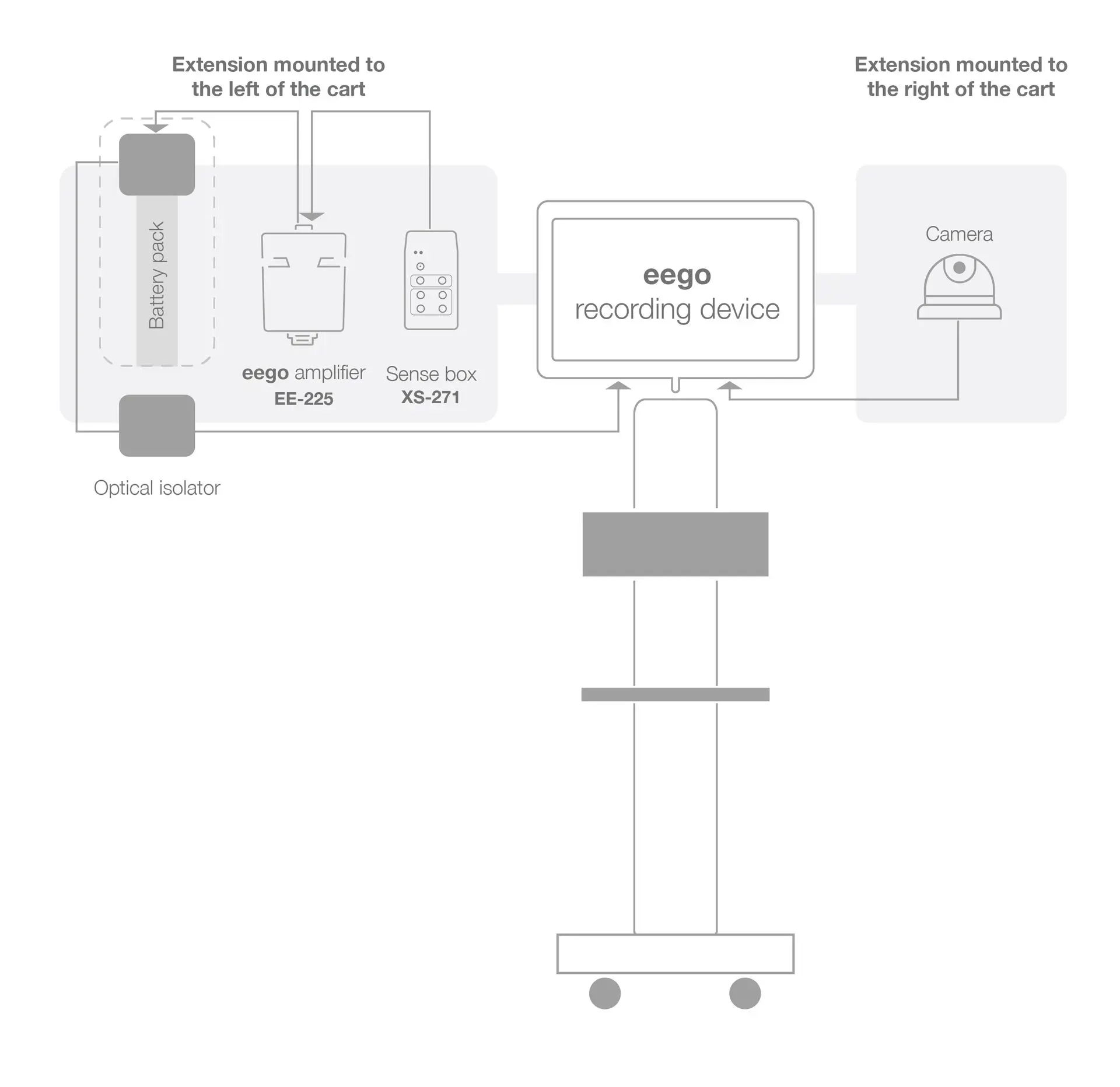
Figure 1 – The eego system (amplifier(s), recording PC, cables, et cetera), with a display monitor mounted to a medical cart, all in a subject room, typical of a clinical environment
Single Subject and Control Room Setup (Research)
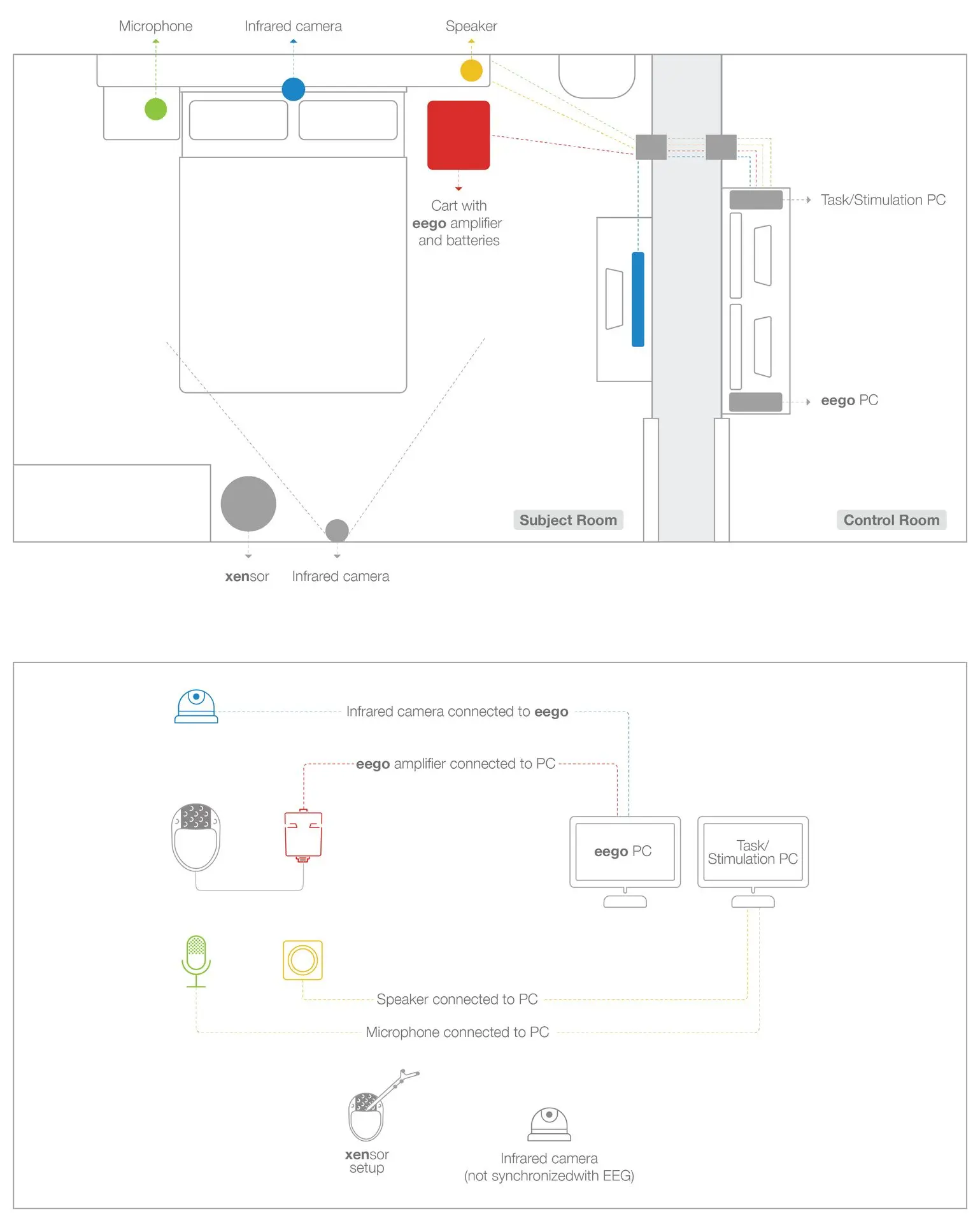
Figure 2 – Subject and the eego system in a recording room, typical of a research environment (except the review PC and optional stimulation/presentation PC in a separate control room)
Extended Multi-bed Setup
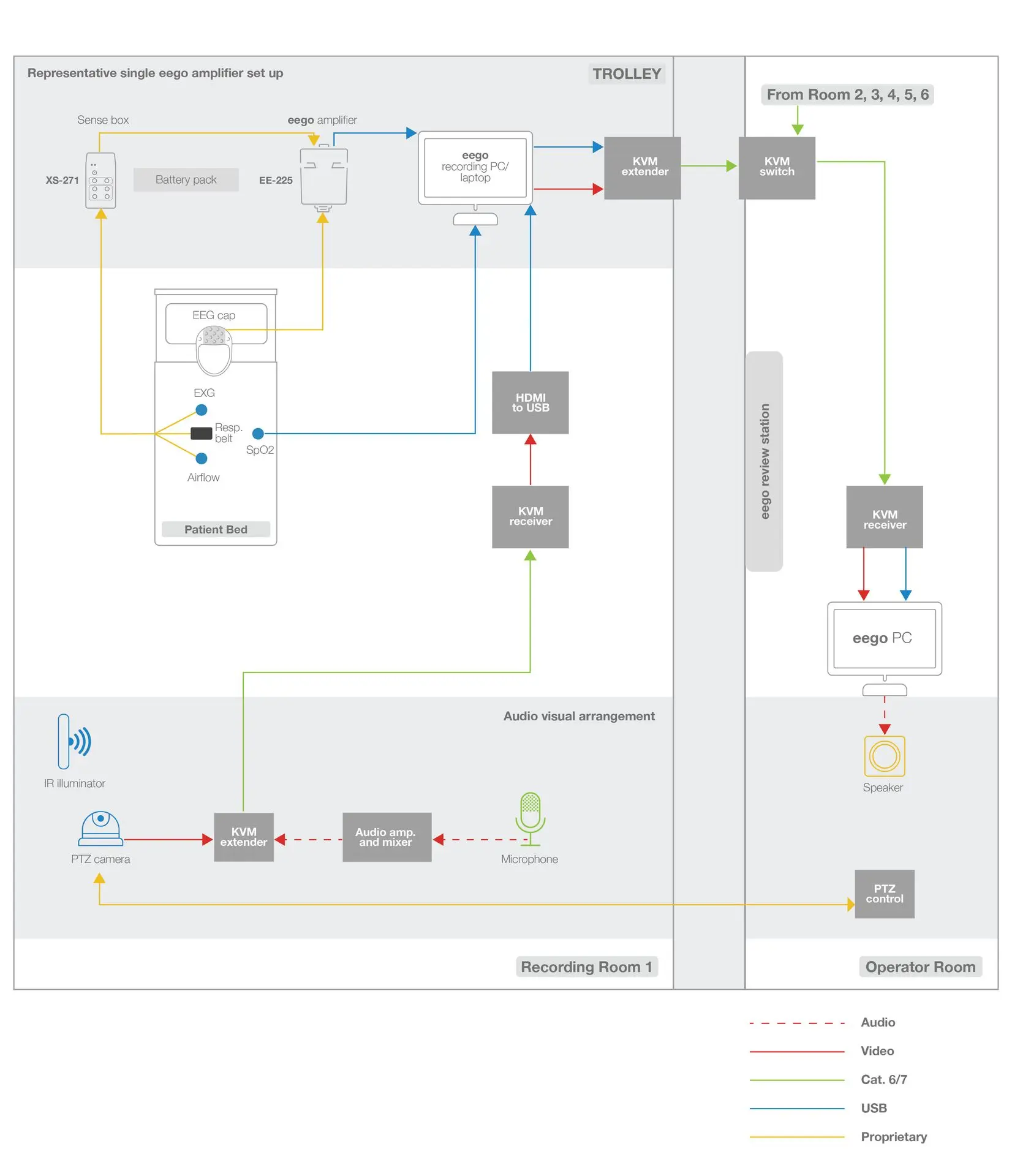
Figure 3 – Multiple subjects and systems spread out across several rooms, where the conceptual architecture of the second example (subject and control room - research) can be visualized as a single unit for multiple subjects/rooms
Limitations
With the end goal of measuring EEG to study sleep, several factors should be considered to optimize the system to get the best measurements.
- The waveguard™ original cap is highly recommended for sleep studies due to ensure subject comfort and flexibility during the recording duration which can last for at least 7 to 9 hours
- The number of channels, usually in high-density for sleep studies (64 – 256 channels), and the layout (10-20 vs. equidistant) are important considerations for the research question under investigation; while equidistant caps ensure equal sampling of all areas, thereby supporting source localization methods, the (extended) 10/20 placement based on anatomical landmarks could help create comparable metrics
- Depending on the length of the recording, battery lifetime of both the amplifier and recording PC should be considered and may require external battery packs to be incorporated
Testimonial from the Field
" The eego mylab system has become a central part of our sleep research infrastructure. Its ability to deliver high-density EEG recordings with excellent signal quality enables us to examine fine-grained neural dynamics across different stages of sleep. Importantly, the system also allows us to record additional physiological signals, such as respiration, simultaneously with EEG — all within the same setup and without the need for extra equipment. This integration has streamlined our experimental design and enhanced our capacity to study brain–body interactions during sleep with both efficiency and precision. Our experience with the eego system has been consistently positive. The equipment is reliable, flexible, and well-suited for both basic and advanced analyses of sleep neurophysiology. Participants also find the system comfortable, which is crucial for preserving naturalistic sleep in a laboratory environment. Overall, the eego mylab system, combined with the outstanding technical support of the ANT Neuro team, has been invaluable for advancing our sleep research agenda and for fostering a productive research environment at our lab. "

References & External Links
- U.S. Department of Health and Human Services. (n.d.). Brain Basics: Understanding Sleep. National Institute of Neurological Disorders and Stroke. https://www.ninds.nih.gov/health-information/public-education/brain-basics/brain-basics-understanding-sleep
- Mayo Clinic Staff. (2025, January 1). Polysomnography (sleep study). Mayo Clinic. https://www.mayoclinic.org/tests-procedures/polysomnography/about/pac-20394877
- Hedges, V. (2022, December 15). SLEEP AND EEG. Introduction to Neuroscience. https://openbooks.lib.msu.edu/introneuroscience1/chapter/sleep-and-eeg/
- Worley, S. L. (2018). The Extraordinary Importance of Sleep The Detrimental Effects of Inadequate Sleep on Health and Public Safety Drive an Explosion of Sleep Research. Pharmacy and Therapeutics, 43(12), 758–763. https://pmc.ncbi.nlm.nih.gov/articles/PMC6281147/
- Sleep Research
- waveguard original Cap
- 64-Channel eego Amplifier
- eego mylab System
- eego hub System
DISCLAIMER
All information provided in this document is intended as a summary only.
For detailed product related information please always consult the latest version of the respective product’s user manual. This document is not intended to replace the user documentation. For indications on individual feature certification status (clinical vs. research only) please refer to the aforementioned user documentation.
We have attempted to write this document as accurately as possible. However, mistakes are bound to occur, and we reserve the right to make changes whenever needed or whenever new information becomes available.
All product names and brand names in this document are trademarks or registered trademarks of their respective holders.
© Copyright 2025 eemagine Medical Imaging Solutions GmbH.
No part of this document may be photocopied or reproduced or transmitted in any way without prior written consent from eemagine Medical Imaging Solutions GmbH.